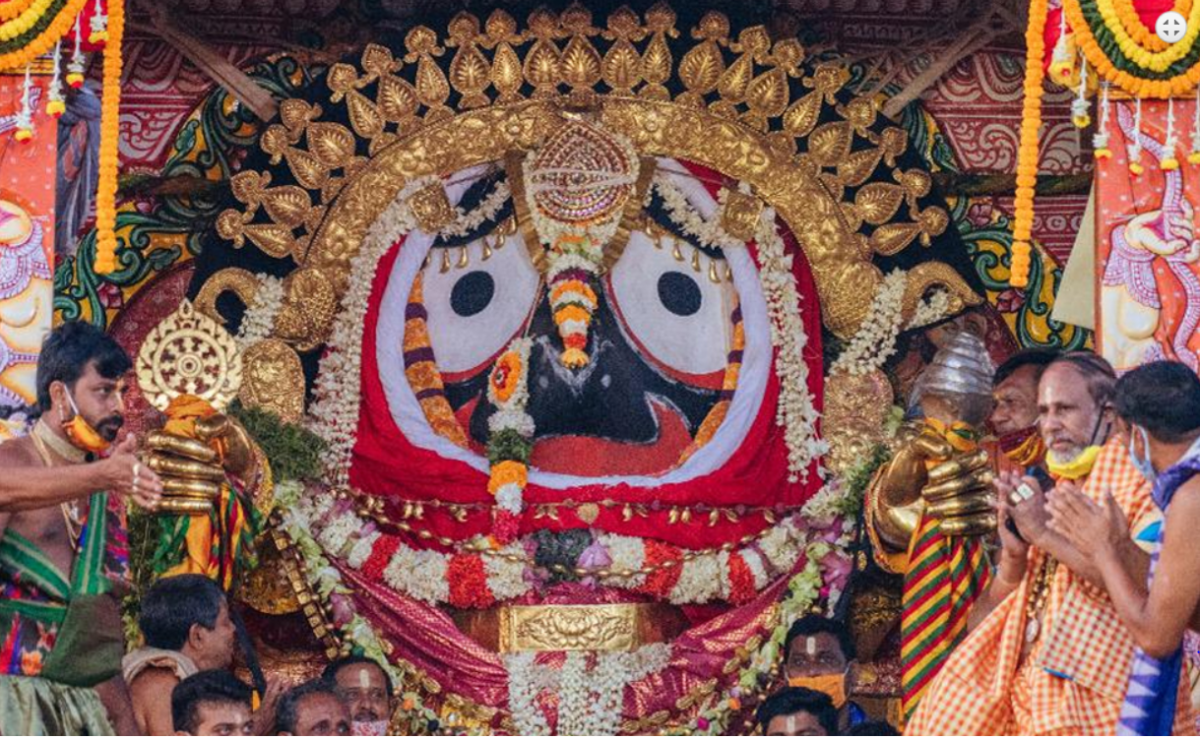

The Puri Rath Yatra, also known as the Chariot Festival, is one of the most significant and vibrant Hindu festivals celebrated in India. Held annually in the coastal town of Puri, Odisha, this grand event honors Lord Jagannath, Lord Balabhadra, and Goddess Subhadra.
The tradition of the Rath Yatra dates back centuries and is deeply rooted in the cultural and spiritual fabric of Odisha. It symbolizes the journey of Lord Jagannath and his siblings from their temple to their garden palace.
The deities are placed on massive, beautifully decorated chariots:
Important rituals include Snana Purnima, Anavasara, Netrotsava, Gundicha Yatra, and Bahuda Yatra. Devotees pull the chariots with great devotion through the streets of Puri.
The Rath Yatra is not just a single-day event but a series of elaborate rituals and ceremonies:Throughout these events, the town of Puri is immersed in festivities, with cultural performances, devotional music, and a spirit of communal harmony.
The Rath Yatra symbolizes unity, equality, and divine accessibility — bringing people together regardless of caste, creed, or background.
Visitors must plan early for accommodation and be prepared for large crowds. Experiencing Rath Yatra is a lifetime memory for every devotee and traveler.
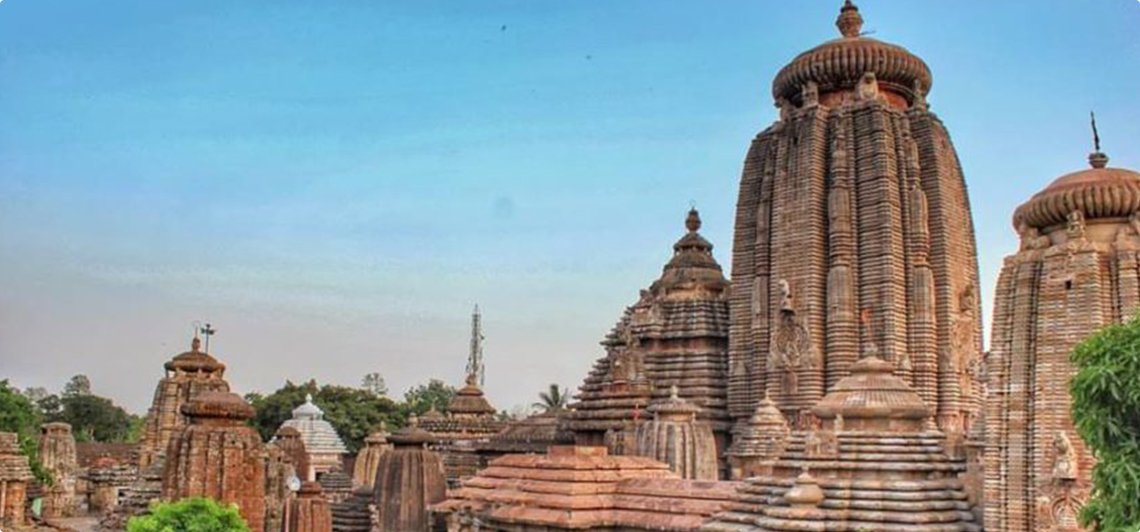
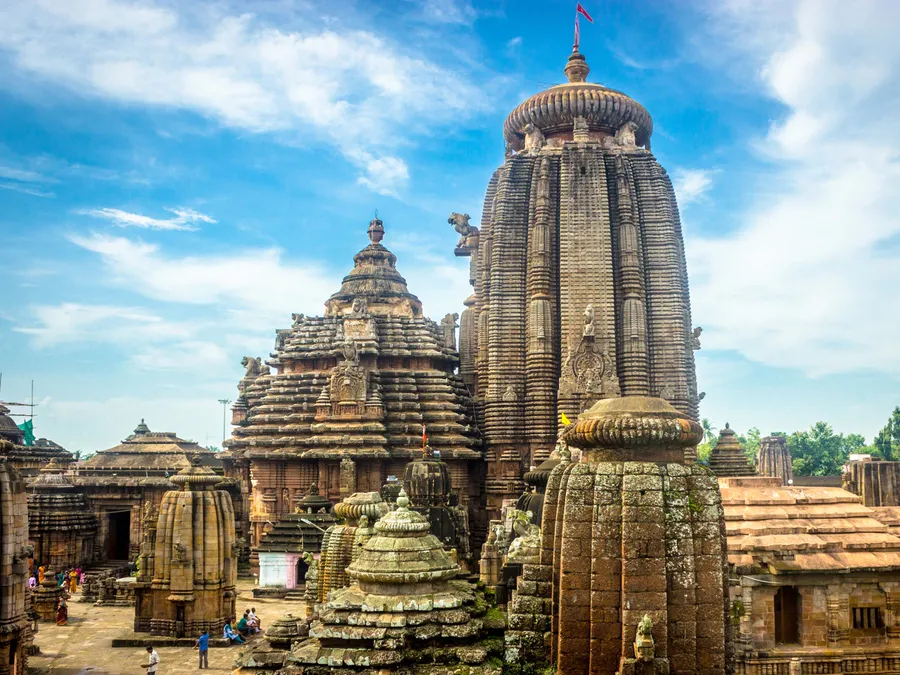
Mahashivratri is one of the most auspicious Hindu festivals dedicated to Lord Shiva. Devotees across India observe fasting, night-long prayers, and rituals to seek blessings from Lord Shiva.
Mahashivratri marks the cosmic marriage of Lord Shiva and Goddess Parvati. It is believed that worshipping Lord Shiva with devotion on this night fulfills desires and removes negativity from life.
On this day, devotees offer Bael leaves, milk, water, fruits, and flowers to Shiva Linga. Temples are beautifully decorated, and devotees chant "Om Namah Shivaya" throughout the night.
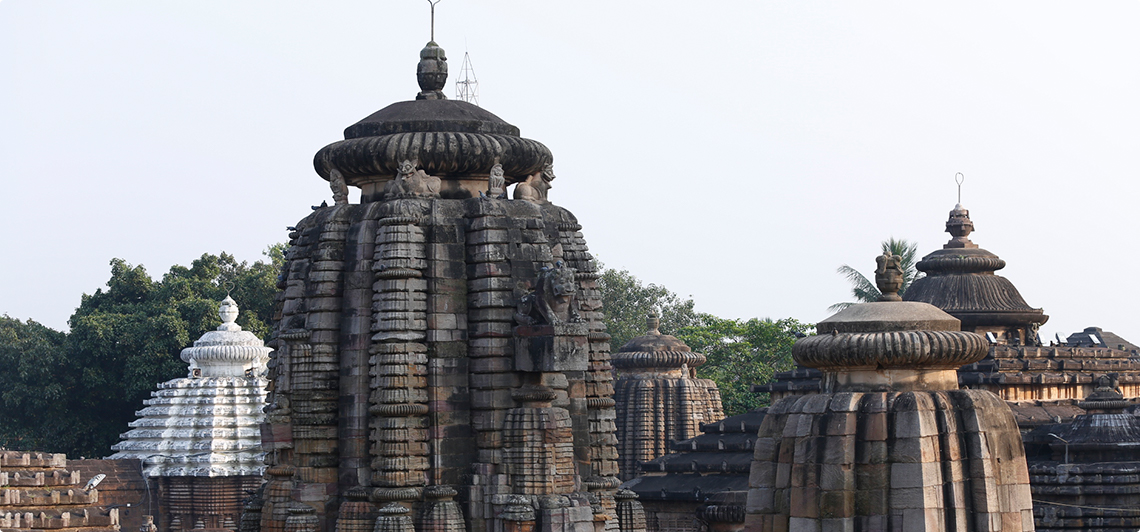
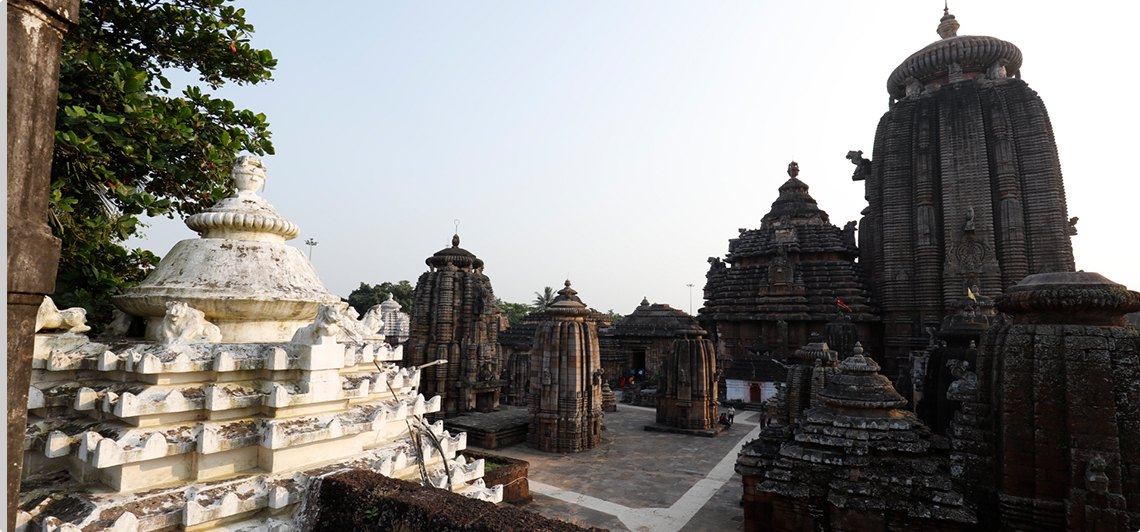
It is believed that praying on Mahashivratri helps in spiritual awakening, self-realization, and overcoming evil forces within oneself.
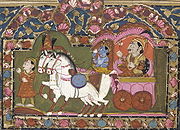
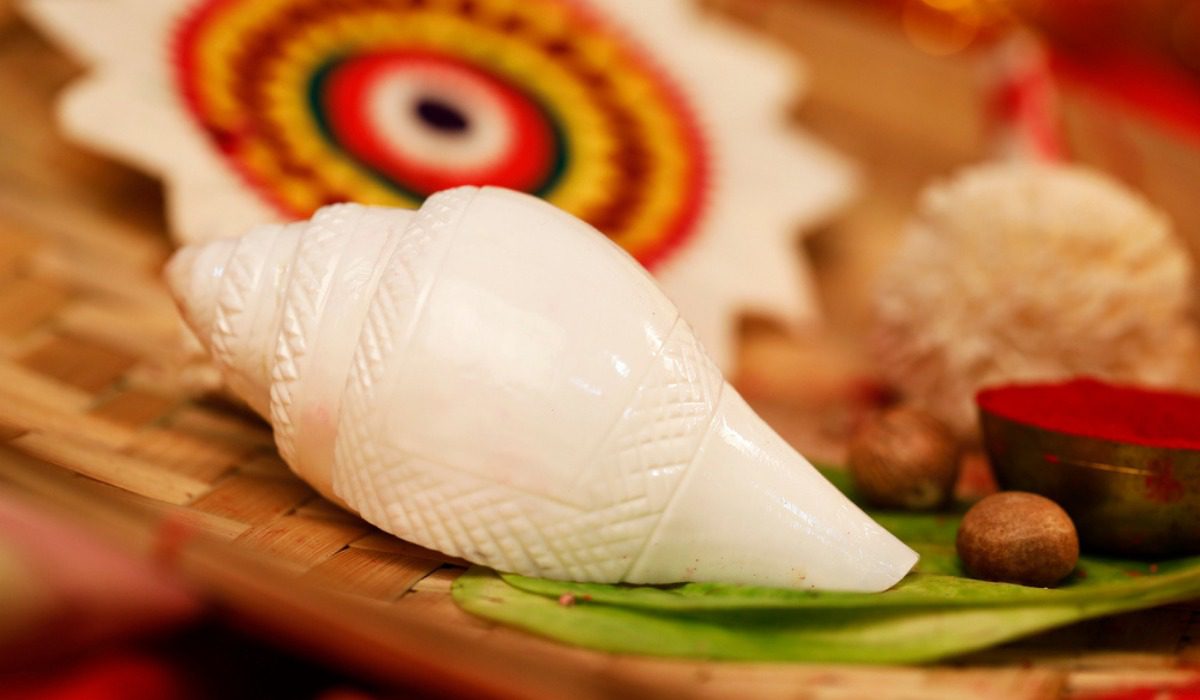
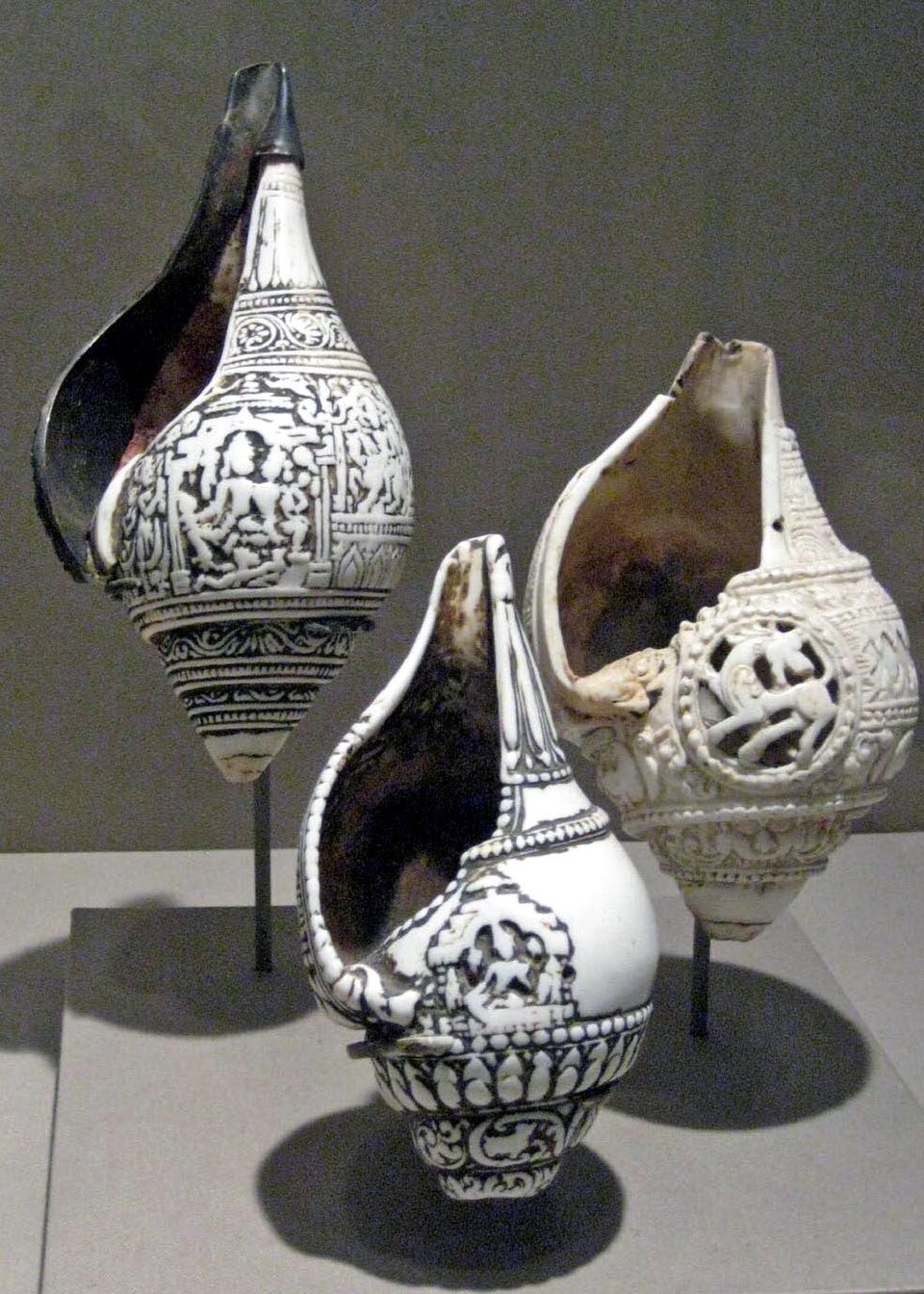
A Hindu legend in Brahma Vaivarta Purana recalls the creation of conchs: god Shiva took a trident from shri Vishnu and flung it towards the demons, burning them instantaneously. Their ashes flew in the sea creating conchs, Shankha is believed to be a brother of Lakshmi as both of them were born from the sea. A legend describes a demon named Shankhasura (conch-demon), who was killed by Vishnu's fish Avatar – Matsya.
A shankha (Sanskrit: शंख, romanized: Śankha, lit. 'conch') has religious ritual importance in Hinduism. In Hinduism, the shankha called panchajanya is a sacred emblem of the Hindu preserver deity Vishnu. It is still used as a trumpet in Hindu ritual, and in the past was used as a war trumpet. According to Arunava Bose, "The shankha is praised in Hindu scriptures as a giver of fame, longevity and prosperity, the cleanser of sin and the abode of goddess Lakshmi, who is the goddess of prosperity and consort of Vishnu".Shankhas are classified based on their structure and religious significance. Some popular types include:
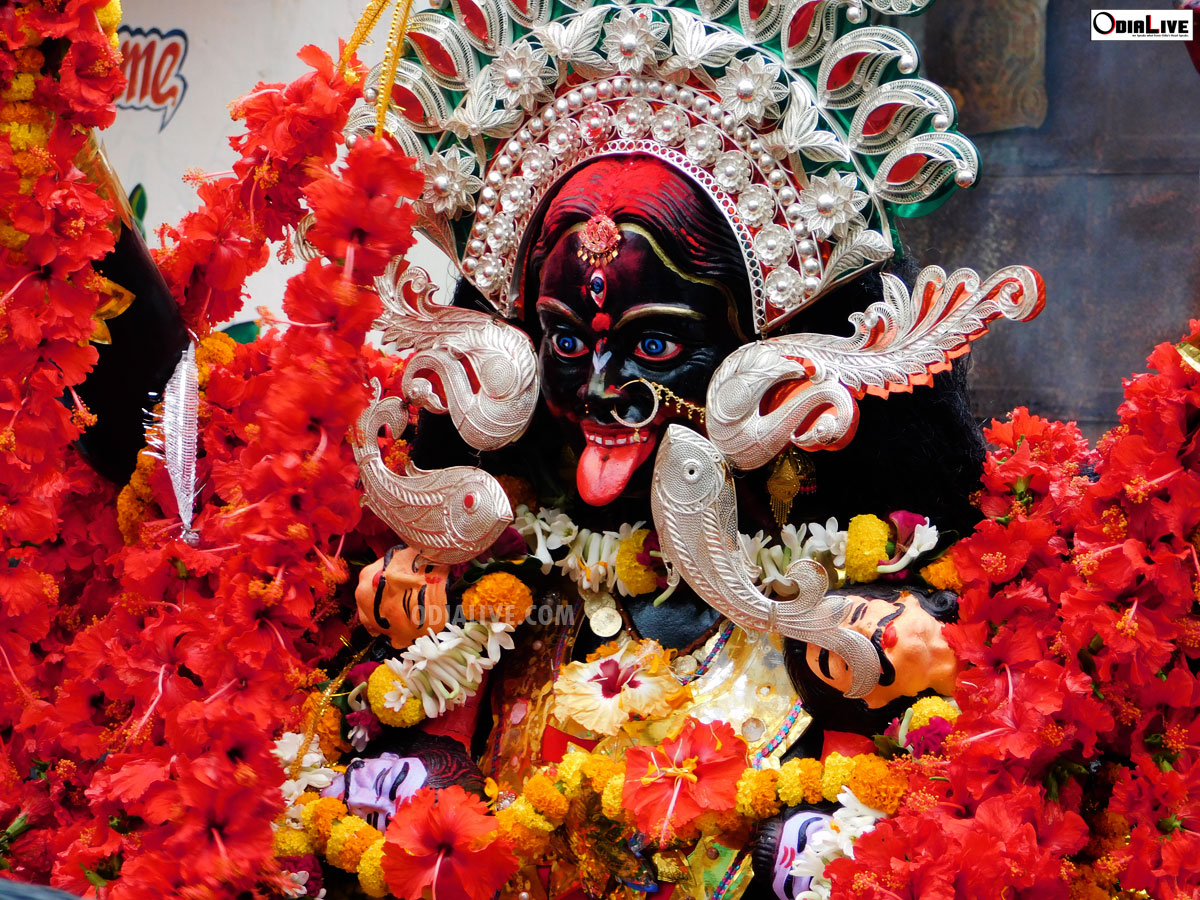
Durga Puja is the grand festival celebrating the victory of Goddess Durga over demon Mahishasura. The festival is marked by vibrant pandals, cultural programs, and devotional rituals. The celebration ends with Vijaya Dashami (Dussehra), where effigies of Ravana are burnt (Ravan Podi) to symbolize the destruction of evil.